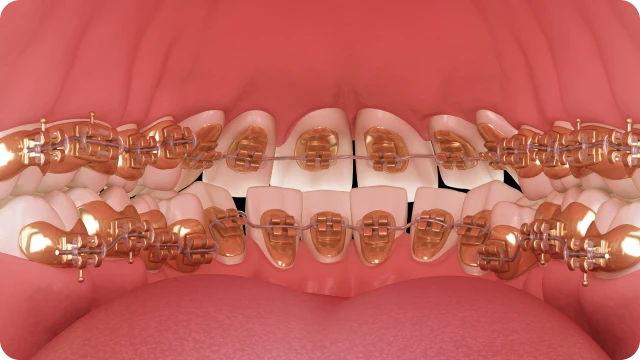
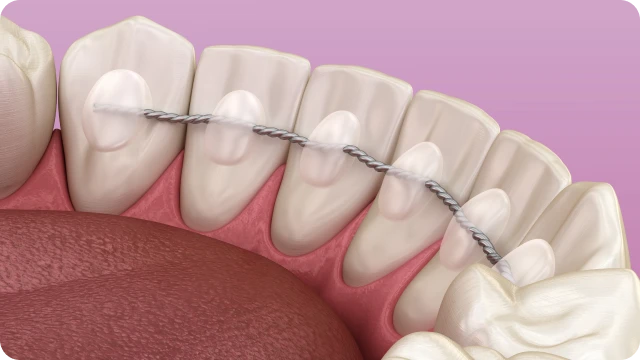
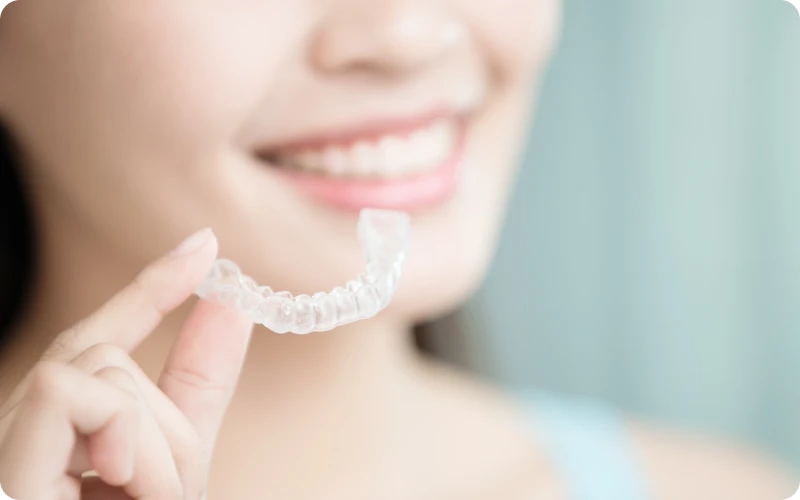
Alignment trays, also called aligners, are orthodontic devices that gradually correct certain dental misalignments in adolescents and adults, when the clinical situation allows. The treatment is based on the successive wearing of transparent aligners, made to measure after a complete orthodontic assessment. During this assessment, the practitioner studies the position of the teeth, occlusion and oral health, then confirms the indication and presents the follow-up steps.
This method remains discreet and comfortable, but it requires good cooperation. The patient wears a series of custom clear plastic aligners, designed to gradually move the teeth to the desired final position.
How clear aligners work
The principle of aligners is based on progressive tooth movements. Each gutter corresponds to a stage of the treatment. The patient changes the aligner according to a rhythm set by the practitioner. The teeth then move gradually towards the intended position, with light and controlled forces.

Treatment with aligners generally follows three main stages:
- Assessment and planning : the practitioner carries out the clinical examination, completes it if necessary with additional examinations, then establishes a treatment plan.
- Phase active : the patient wears a series of aligners, with regular checks.
- Stabilisation : a maintenance phase can be proposed in order to limit subsequent movements.
The aligners are removable. The patient takes them off to eat and brush their teeth, then puts them back on. This organization allows you to maintain habits close to everyday life, provided you respect the recommended wearing time.
Who are aligners for?
Aligners are mainly aimed at adolescents and adults capable of following wearing and hygiene instructions. The treatment requires regularity, because effectiveness directly depends on wearing time. The practitioner also checks the condition of the teeth and gums before starting.
Some situations are better suited to treatment with aligners, while others require a different approach. This is why the practitioner carries out a personalized assessment, then explains the possible options. This step makes it possible to define coherent care adapted to the patient's needs.
What are clear aligners used for?
Alignment trays aim to improve the alignment of teeth, while respecting the functional balance of the mouth. The practitioner takes into account the occlusion, the relationship between the jaws and the expected stability. The objectives vary according to each situation, but they always remain realistically defined.
Aligners can be offered to correct, depending on the case:
- mild to moderate dental crowding;
- spaces between certain teeth;
- limited tooth rotations;
- simple occlusal adjustments.
Alignment trays do not address all orthodontic anomalies. The practitioner specifies what the treatment can correct and what requires other care, in order to avoid any inappropriate waiting.

How do aligners work?
Alignment splint treatment is based on a succession of aligners. Each tray exerts light, targeted pressure on certain teeth. The movement is done gradually, as the aligners are changed. The practitioner plans the protocol from the start, then checks progress during follow-up appointments.
To better understand, here is what the patient does on a daily basis:
- he wears the aligners for the recommended duration;
- he removes the trays for meals;
- he brushes his teeth, then puts the trays back on;
- he keeps the aligners in a box when he takes them out.
The aligners do not contain Bisphenol-A or Phthalate plasticizers. If you have questions about the composition of the materials, the practitioner can give you appropriate information during the consultation.
Treatment duration
The duration of aligner treatment varies depending on several factors. It depends in particular on the initial situation, the type of movements necessary and the regularity of wearing it. The practitioner gives an estimate during the assessment, then adjusts this estimate according to the observed evolution.
The duration may vary depending on:
- the complexity of the misalignment;
- the response of the teeth to movement;
- the quality of wearing aligners;
- the need for adjustments during treatment.
At the end of the active phase, the practitioner can propose a stabilization phase. This step aims to maintain the results obtained and limit the risk of subsequent tooth movement. The maintenance protocol depends on each situation.
Aligners and daily life
Aligners generally integrate well into daily life thanks to their transparency and removable nature. The patient can maintain eating habits close to those before treatment, since he removes the aligners during meals. He can also maintain similar oral hygiene, because he brushes his teeth without the constraints of a fixed appliance.
A period of adaptation is possible at the beginning. A feeling of pressure may appear, especially when changing the aligner. This feeling generally remains moderate and temporary. If discomfort persists, the patient can discuss it in the office during follow-up.
To limit forgetfulness, a simple routine often helps:
- remove aligners only to eat and brush teeth;
- put the aligners back on immediately after hygiene;
- store aligners in their case when not worn.
Oral hygiene with aligners
Treatment with alignment splints requires regular hygiene. The patient removes the aligners for brushing, making it easier to maintain the teeth. On the other hand, he should avoid putting the trays back on without brushing his teeth after a meal, as this can encourage the accumulation of deposits.
Here are some common recommendations:
- brush your teeth after meals before putting the trays back on;
- clean the aligners every day with suitable products;
- avoid sugary or colored drinks with mouthpieces;
- Store the aligners in their box when not in use.
The practitioner adapts this advice to your habits and the needs observed during follow-up.

Monitoring during treatment
Regular follow-up is an integral part of treatment with alignment splints. The appointments allow you to monitor progress, check occlusion and adjust the protocol if necessary. The practitioner also observes the adaptation of the aligners and answers questions related to wearing and maintenance.
It is advisable to contact the firm in the event of an unusual situation, for example:
- a broken or deformed gutter;
- loss of aligner;
- difficulty replacing a splint;
- discomfort that lasts more than a few days.
The practitioner then assesses the situation and proposes a suitable solution to continue the treatment in good conditions.
Make an appointment for an orthodontic check-up
An orthodontic assessment allows you to assess whether treatment with aligners is suitable for your situation. The consultation is used to analyze dental alignment and occlusion, then to explain the treatment process and wearing instructions. You can make an appointment online with the Orthovital clinic in Paris 16 to discuss it and consider appropriate care.
FAQ
Are aligners suitable for everyone?
No. The practitioner verifies the indication during a complete orthodontic assessment.
Do aligners need to be worn all day?
The practitioner specifies the recommended wearing time. Effectiveness depends on respecting this duration.
Is this treatment painful?
A feeling of pressure may appear, especially when changing the aligner. It generally remains temporary.
Can you eat with aligners?
No. The patient removes the trays during meals and then puts them back on.
How to maintain gutters?
Daily cleaning is recommended. The practitioner provides appropriate advice.