Retention corresponds to the phase following active orthodontic treatment. Its aim is to maintain the position of the teeth once the appliance is removed. This step is an integral part of the treatment and plays an essential role in the stability of the results obtained.
At the end of a treatment, the teeth were moved to a new position. Even if the alignment appears stable, the tissues surrounding the teeth continue to adapt. Without support, displacements can gradually appear. The containment phase therefore makes it possible to support this stabilization over time.
Why maintain tooth position after treatment?
After orthodontic treatment, teeth naturally tend to shift. This phenomenon is explained by the memory of the tissues and by the forces constantly exerted in the mouth, such as chewing or pressure of the tongue.
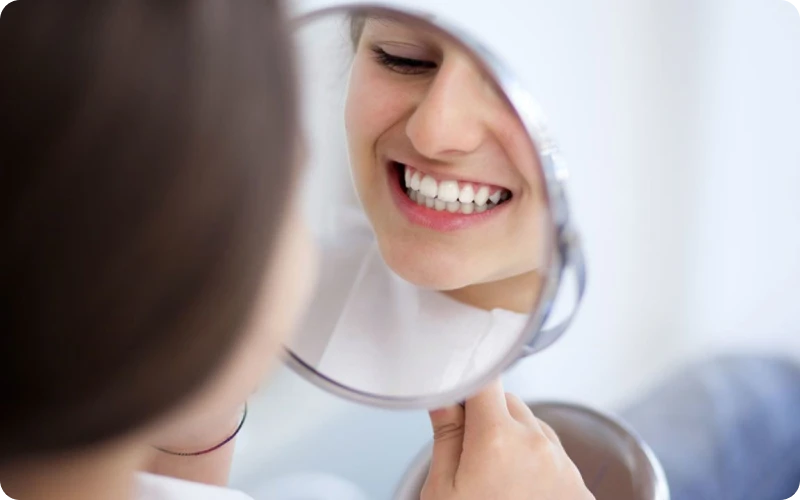
Maintenance makes it possible in particular to:
- maintain the alignment obtained;
- limit involuntary tooth movements;
- support the progressive adaptation of the supporting tissues;
- preserve the balance of the occlusion.
This phase does not seek to modify the position of the teeth. It aims only to maintain the results obtained through orthodontic treatment.
When does the retention phase begin?
The maintenance phase begins immediately after the end of active treatment. As soon as the device is removed or the last splint is worn, the practitioner puts the intended device in place.
This transition occurs without interruption. It avoids any period without maintenance, which could encourage early movements. The practitioner then explains the type of device chosen, its operation and the instructions to follow.
Retention options available
There are several solutions to ensure the maintenance of teeth after orthodontic treatment. The choice depends on the clinical situation, age and the type of treatment performed.
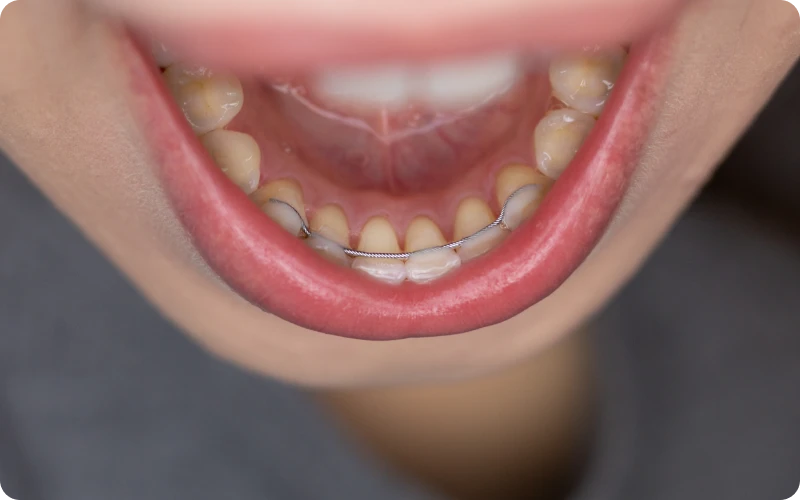
Bonded retainer on the inner surface
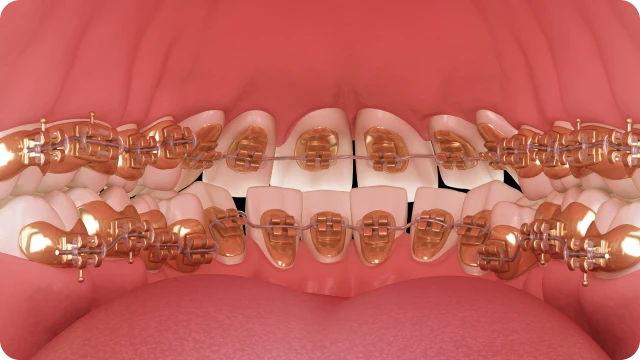
The bonded wire is attached to the inside of the teeth, most often at the level of the incisors. It remains in place permanently and acts passively.
This device has several characteristics:
- it is invisible from the outside;
- it does not depend on the wearing by the patient;
- il agit en continu.
The practitioner regularly checks the condition of the thread during follow-up appointments to verify that it is properly adapted.
Removable retainer
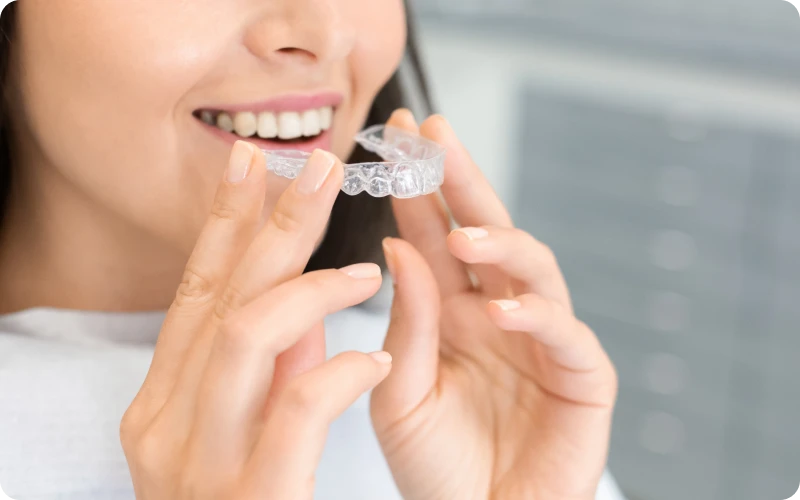
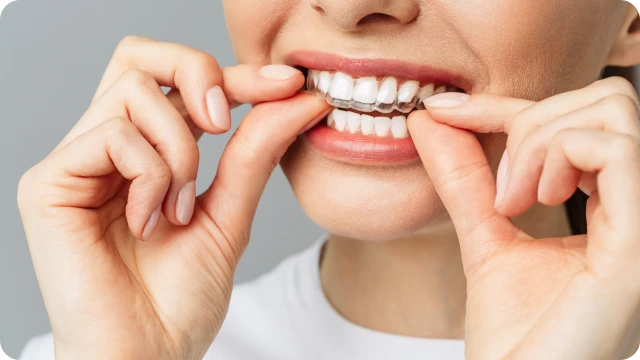
The retaining splint is a transparent device, to be worn according to the instructions given. She withdraws for meals and brushing.
This type of support allows:
- simple maintenance;
- visual monitoring of the device;
- a gradual adaptation of the wearing time.
The instructions may change over time, for example with nighttime wearing after a more prolonged initial phase.
A combination of devices
In certain situations, the practitioner can combine a glued wire and a retaining splint. This approach helps reinforce stability, particularly when the risk of displacement is greater.
How does the orthodontist choose the right solution?
The choice of device is based on a personalized assessment. The practitioner analyzes several elements before proposing a solution.
Among the criteria taken into account, we find:
- the stability obtained at the end of treatment;
- the initial position of the teeth;
- the type of orthodontic treatment performed;
- the age of the patient;
- oral habits.
This analysis makes it possible to propose maintenance consistent with the clinical situation and long-term objectives.
How long does the maintenance phase last?
The duration of the maintenance phase varies depending on each situation. There is no single duration applicable to all patients.
As a general rule, maintenance is long-term. The practitioner adapts the instructions throughout the follow-up, depending on the stability observed. In some cases, the system remains in place for several years.
It is important to understand that this phase does not correspond to an option, but to an essential stage of orthodontic treatment.
Living daily with a support device
The support devices are designed to integrate easily into everyday life. They remain discreet and compatible with current habits.
With a glued wire, no manipulation is necessary. With a removable gutter, a simple routine allows you to follow the instructions without difficulty.
In all cases, the practitioner gives practical recommendations in order to limit incidents and preserve the device over time.

Oral hygiene during the maintenance phase
Good oral hygiene remains essential after orthodontic treatment. The presence of a stuck wire or a gutter requires special attention.
It is recommended to:
- brush your teeth after each meal;
- clean carefully around a stuck wire;
- maintain the gutters according to the advice given;
- report any persistent discomfort.
The practitioner adapts the advice according to the type of device and the patient's habits.
Follow-up after the end of treatment
Even after active treatment ends, monitoring continues. The appointments allow you to check the stability of the alignment and the condition of the retaining device.
During these consultations, the practitioner:
- controls the position of the teeth;
- verifies the integrity of the device;
- adjusts instructions if necessary;
- answers questions related to the interview.
In the event of detachment, breakage or loss of a gutter, it is advisable to contact the office in order to avoid any unwanted development.
Book an appointment for post-treatment follow-up
You can make an appointment online with the Orthovital clinic in Paris 16 to ensure follow-up after your orthodontic treatment. The consultation allows you to check the stability of the alignment, the condition of the holding device and to adjust the instructions if necessary in order to preserve the results over time.
FAQ
Is restraint essential?
Yes. It allows the results obtained to be preserved.
What happens without support?
In the absence of support, the teeth can gradually move. These movements sometimes remain discreet at first, but become more visible over time.
Maintenance makes it possible to limit these changes and preserve the results obtained after orthodontic treatment. This is why the practitioner insists on the importance of this phase, even when the alignment seems stable.
Does the device cause any discomfort?
No. It acts passively and does not exert force.
How long should the device be kept?
The duration depends on each situation. The practitioner adapts the instructions throughout the follow-up.
Peut-on manger normalement ?
Yes. Eating habits remain generally unchanged.
What to do if there is a problem with the device?
It is advisable to contact the office to assess the situation.