During orthodontic treatment, diet plays an important role in daily comfort and the smooth running of follow-up. Certain foods can cause discomfort, damage the device or encourage the appearance of cavities if habits are not adapted. Adopting a few simple reflexes helps protect the teeth, the appliance and the gums throughout the treatment.
This advice concerns children, adolescents and adults wearing dental appliances, whether fixed or removable.
The first days after appliance placement
The first days after appliance placement are an adaptation phase. Teeth may be sensitive and chewing less comfortable, so adjusting your diet is recommended.
On the first day, it is best to choose soft, easy-to-chew foods. The mouth gradually gets used to the appliance, while the teeth begin to respond to the applied forces. This adaptation phase is temporary and generally takes place over a few days.
At the start of treatment, purees, lukewarm soups, well-cooked pasta, tender vegetables or even dairy products are suitable choices. They help limit discomfort, facilitate chewing and avoid excessive stress on the teeth.

Why are some foods discouraged?
During the duration of treatment, certain foods can weaken the orthodontic appliance or increase the risk of cavities and gum inflammation. Fasteners, wires or rings may become detached or distorted under excessive stress.
Furthermore, very sugary or sticky foods encourage the accumulation of dental plaque, especially when cleaning is more difficult around the appliance. Adapting your diet therefore allows you to preserve your oral health and avoid incidents.
Foods to avoid during treatment
During treatment, avoid foods known for hardness or sticky texture.
It is recommended to avoid:
- hard dried fruits, such as walnuts, almonds or hazelnuts;
- sticky foods, such as caramels, nougats or chewing gum;
- very sugary foods;
- sodas and sugary drinks.
These foods can not only damage the device, but also promote the appearance of cavities and inflammation of the gums.
Adapting the way you eat

Certain simple habits help limit the risks.
Avoid biting directly into hard foods. Cut food and chew gently. This reduces stress on the appliance and lowers the risk of bracket detachment.
It is also recommended to eat slowly and chew thoroughly. This improves comfort and helps detect discomfort or displaced parts quickly.
Allowed and recommended foods
Orthodontic treatment does not prevent a varied diet. Many foods remain compatible if a few precautions are followed.
Foods generally well tolerated include:
- cooked or soft vegetables;
- fruit cut into pieces;
- well-cooked starches;
- tender or minced meat;
- dairy products.
These foods help maintain a balanced diet while protecting the appliance.
Watch out for sugary and acidic drinks
Sugary and acidic drinks represent a particular risk during orthodontic treatment. Sodas, industrial juices and energy drinks promote acidity in the mouth and increase the risk of enamel demineralization.
It is best to drink water throughout the day. If sugary drinks are consumed occasionally, rinsing with water or brushing later is recommended.
Diet and oral hygiene
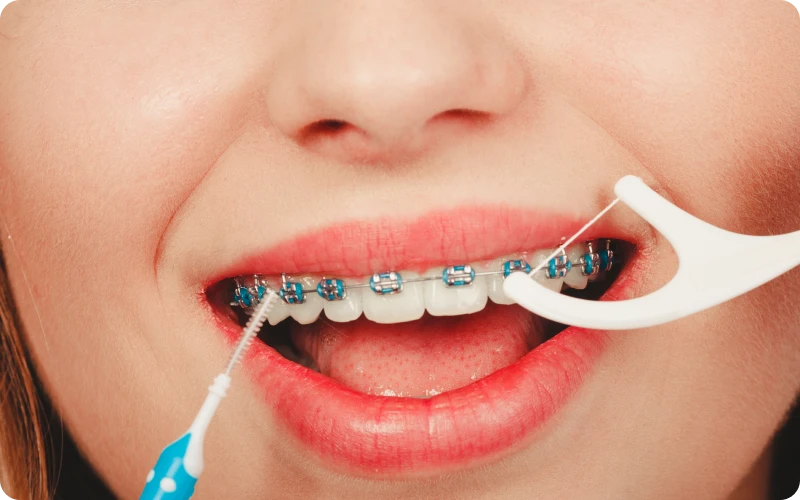
Diet and oral hygiene are closely linked. With braces, some foods leave residues that are harder to remove.
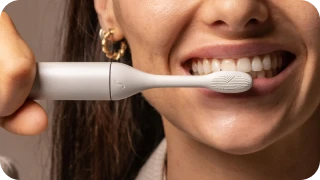
After meals, careful brushing helps remove food debris and limit plaque buildup. When immediate brushing is not possible, rinsing with water already helps reduce deposits.
The practitioner may also recommend additional tools, such as interdental brushes, to make cleaning easier.
Adapting diet throughout treatment
Orthodontic treatment often lasts several months. It is therefore important to apply these recommendations consistently, without making them restrictive.
Over time, most patients find balance and adapt their habits naturally. The goal is not to eliminate foods permanently, but to limit those that present a risk during treatment.
If discomfort or an incident occurs
If discomfort occurs when chewing or if an element of the device seems out of place, it is advisable to contact the office. Straining the device or continuing to eat hard foods can make the situation worse.
The practitioner can assess the situation and propose an appropriate solution to continue treatment in good conditions.
FAQ
Should you completely change your diet during orthodontic treatment?
No. It is above all a question of adapting certain choices and certain habits.
How long should soft foods be eaten after appliance placement?
Usually a few days, until the mouth adapts.
Are sugary foods forbidden?
They should be limited, especially between meals, due to cavity risk.
Can you eat fruit with braces?
Yes, preferably cut into pieces to avoid direct biting.
What to do if a bracket comes off after a meal?
It is recommended to contact the clinic to check the appliance.